As a parent, deciding whether a gap year is right for your son or daughter can feel like a big step.
You may be wondering whether it’s safe, how much it costs, whether it will benefit university applications, or if your child will gain valuable life skills from the experience.
We’ve worked with young people and their families for over 30 years, and we’ve created this guide to answer the questions parents ask us most often.
Whether you’re just starting to explore the idea or comparing different programmes, we hope these articles help you make an informed decision.
Start Here
If you’re new to gap years, we’d recommend reading these guides in order.
Is a Gap Year a Good Idea for My Child?
A practical guide to the benefits of taking a structured gap year before university or work.
Is a Gap Year Safe?
Learn how structured gap year programmes support young people through preparation, safeguarding and in-country support.
How Much Does a Gap Year Cost?
Understand what influences the cost of a gap year and how to compare value as well as price.
Finding a meaningful Gap Year
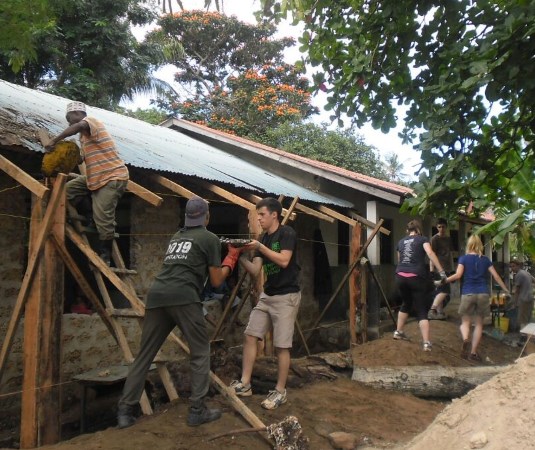
The best Gap Year programs tend to be ones that balance the fun of travelling with a learning element, such as volunteering or teaching in a school. A Gap Year with a volunteering aspect tends to be more structured and Gap Year students learn to focus and challenge themselves, as well as having an adventure in a new place. This is great for keeping them motivated even during their year off, whilst equipping them with valuable skills that will help them when applying for university or for jobs.
Key criteria for finding a meaningful Gap Year:
- Volunteering element
- An immersive experience living in the community
- Activities requiring team work
- Opportunities to learn new skills
- Option for independent travel
Nowadays, it is not enough for a student just to have perfect grades, they have to be able to demonstrate that they are well-rounded candidates with interests outside of the classroom. This is true both for university and job applications. Students need to have real life experiences and be able to describe how these experiences have changed them, as well as what they have learnt.
That means an ideal Gap Year program is one where your child will learn new skills and develop their existing ones. Believe it or not, this is possible whilst having ‘a holiday’, you just need to find the right program. A meaningful Gap Year is key for standing out amongst the other candidates, as well as helping them when they actually begin studying and work.
Funding a Gap Year
A Gap Year with a reputable company will cost but this will be commensurate with the level of experience, support and skills that your child will gain. It should include accommodation, food, 24/7 support when they are in the country and usually an orientation course involving language training.
It is best to choose the Gap Year program before beginning fundraising so that your child knows how much money they will need to raise. This helps them to set a clear goal. Your child will be able to motivate themselves better when they can see how much closer they get with each step.
As tempting as it might be, you should try not to help your child too much with fundraising, we encourage young people to be involved in funding at least part of their gap year because it helps commitment to the experience and is a good skill to learn. This is their Gap Year and they will benefit from taking the responsibility upon themselves. Fundraising or having part time jobs is their chance to prove to you, their peers and themselves that they are dedicated to their Gap Year.
Of course, fundraising can also be great fun! There are so many different ways to raise money for a Gap Year and your child can get really creative with their fundraising activities. They may also choose to work for part of their Gap Year to save money, this is another option that can help them to gain valuable experience.
Fundraising ideas:
- Sponsored run, cycle or swim
- Bake sale
- Bring and buy sale
- Sports tournament
- Charity concert
There are no limits to the fundraising activities your child can do to raise money for their Gap Year. Encourage them to be creative and do something that plays to their strengths and interests. Fundraising is much easier with friends so if they have colleagues who will also be going on a Gap Year (even better if it is the same program!), they can work together to organise fundraising events.
Preparing for a Gap Year
It is a good idea for you to check whether or not they will need any vaccinations before they go and get them booked in with plenty of time before their departure date. Similarly, your child should have any medication they might need whilst they are out there, including prescription and allergy medication. It may be difficult to buy basic pharmacy provisions that are commonplace at home, so it is a good idea to buy essentials like travel sickness tablets, Imodium and antiseptic wipes before they leave.
If the program will be more active or include activities such as hiking in the mountains or trekking long distances in the heat, your child may want to do some physical preparations before they go. Enrolling in a gym or taking up some sports are great ways to get ready for the Gap Year and also get the motivation going before the start of the program.
If your child will be on a program where they are cooking for themselves, which is a great way to learn independence before university, it may be an idea to make sure they know some cooking basics. A simple lesson in how to boil an egg, prepare vegetables and cook rice, for instance, can be a great help to your child once they are in their accommodation. It sounds basic but you may be surprised how much they learn!
Packing for a Gap Year
It is a great idea to have a mosquito net in the suitcase in case mosquitos are a problem where your child will be staying. This can make a massive difference to their comfort and to your peace of mind. Similarly, any other home comforts they might need like soap or their favourite snacks can help them to settle into their new home more easily. In many places they will be able to buy basic provisions like these once they are out there so don’t worry too much.
Keeping in touch
Keeping in touch will probably involve your child finding an internet café and using the Wi-fi there to message or email you. This may be on a weekly or bi-weekly basis so do not be concerned if you don’t hear from them in a while. Unfortunately, calling charges will probably be very high and it is likely that they will not have a lot of signal either so you may not be able to phone your child.
This is where travelling with a Gap Year provider that has in-country representatives becomes really useful. You can relax knowing that your child has 24/7 support from an English-speaking group leader. They will be the first point of contact for anything your child needs and in the unlikely event that something was to happen such as a medical emergency, they will be on hand to arrange medical care immediately and would be able to keep you informed.
Now that you have read the AV Parents’ Guide to Gap Years, we hope you have a better idea of how to find the right Gap Year for your child and how to prepare for the program. Now you can begin looking at the options available. If you need any help, AV offers a free and impartial Gap Year consultation service to help you find the Gap Year that is right for your child.
Want to know more?
If you've got any questions, get in touch. We're here to help.