
For many parents, the first question they ask is simple:
“Is a gap year safe for my child?”
Yes – a gap year can be safe for your child when it is structured, supervised, and well planned. Most safety concerns are addressed through preparation, support systems, and choosing an experienced organisation.
Many parents start by asking whether a gap year is the right choice overall — you can read our full guide here: Is a gap year a good idea for my child?
Cost is another important consideration for many families — you can read our guide on how much a gap year costs here.
Is a Gap Year Safe?
A gap year can be a safe and positive experience when it includes:
- Clear structure and purpose
- Experienced supervision and local support
- Pre-departure preparation
- Ongoing welfare monitoring
- Regular communication with home
Safety depends less on the idea of taking a year out and more on how the experience is organised.
Are Gap Years Safer Than Going Straight to University?
For some young people, a structured gap year can actually improve readiness for university life. Many parents tell us that their child’s gap year was actually a smoother transition than starting university, thanks to the structured support and gradual independence.
Students often return with:
- Greater confidence
- Improved decision-making skills
- Emotional resilience
- Real-world responsibility
- Clearer academic motivation
These skills can make later transitions smoother and more secure.

What Makes a Gap Year Safe?
A structured gap year is typically safer than unplanned independent travel, as it includes supervision, local knowledge, 24/7 in-country support teams, and local coordinators.
Structured Programmes
A safe gap year provides planned activities, defined goals, and clear expectations rather than unstructured time away.
Structure helps students stay engaged, supported, and focused.
Experienced Supervision and Support
Reputable programmes include:
- Trained local teams
- Mentors and coordinators
- Welfare and safeguarding policies
- Emergency support systems
Students gain independence while knowing help is always available.
Preparation Before Departure
Preparation is one of the biggest safety factors. This often includes:
- Cultural awareness guidance
- Safety briefings
- Expectation setting
- Practical travel preparation
Confidence grows when students understand what to expect.
Communication and Check-Ins
Regular communication reassures both parents and participants. Updates, check-ins, and accessible support networks help maintain connection throughout the experience.

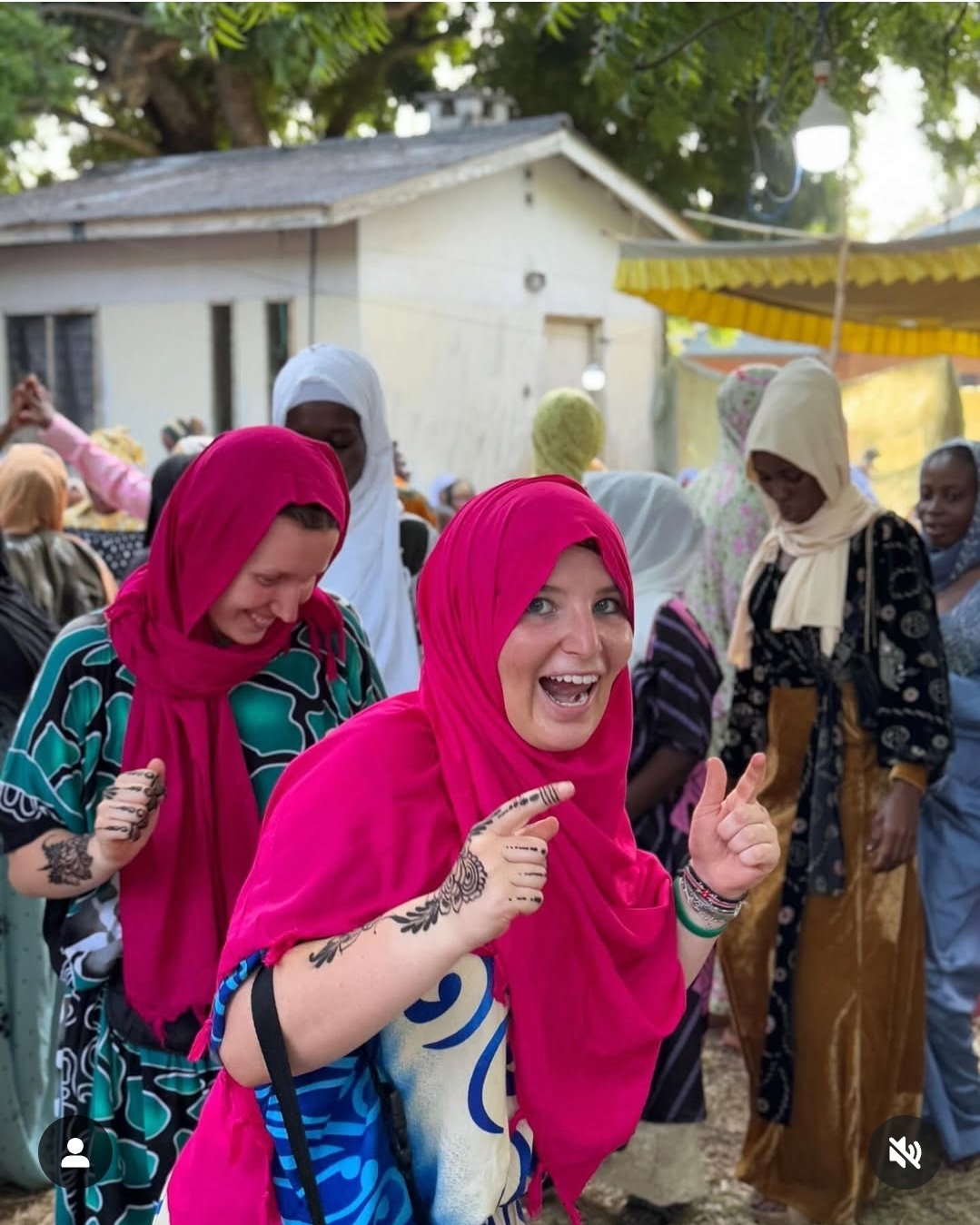
Why Parents Often Worry About Gap Year Safety
It’s natural for families to have concerns, especially when a young person is considering travel or time away from traditional education.
Common worries include:
- Travelling abroad for the first time
- Being far from family support
- Loss of academic momentum
- Managing independence responsibly
- Personal safety and wellbeing
These concerns reflect care and responsibility — and good gap year programmes are built with these questions in mind.
Safety concerns are often part of a bigger conversation about readiness, confidence, and long-term benefits — topics we explore further in our article on whether a gap year is a good idea for your child.
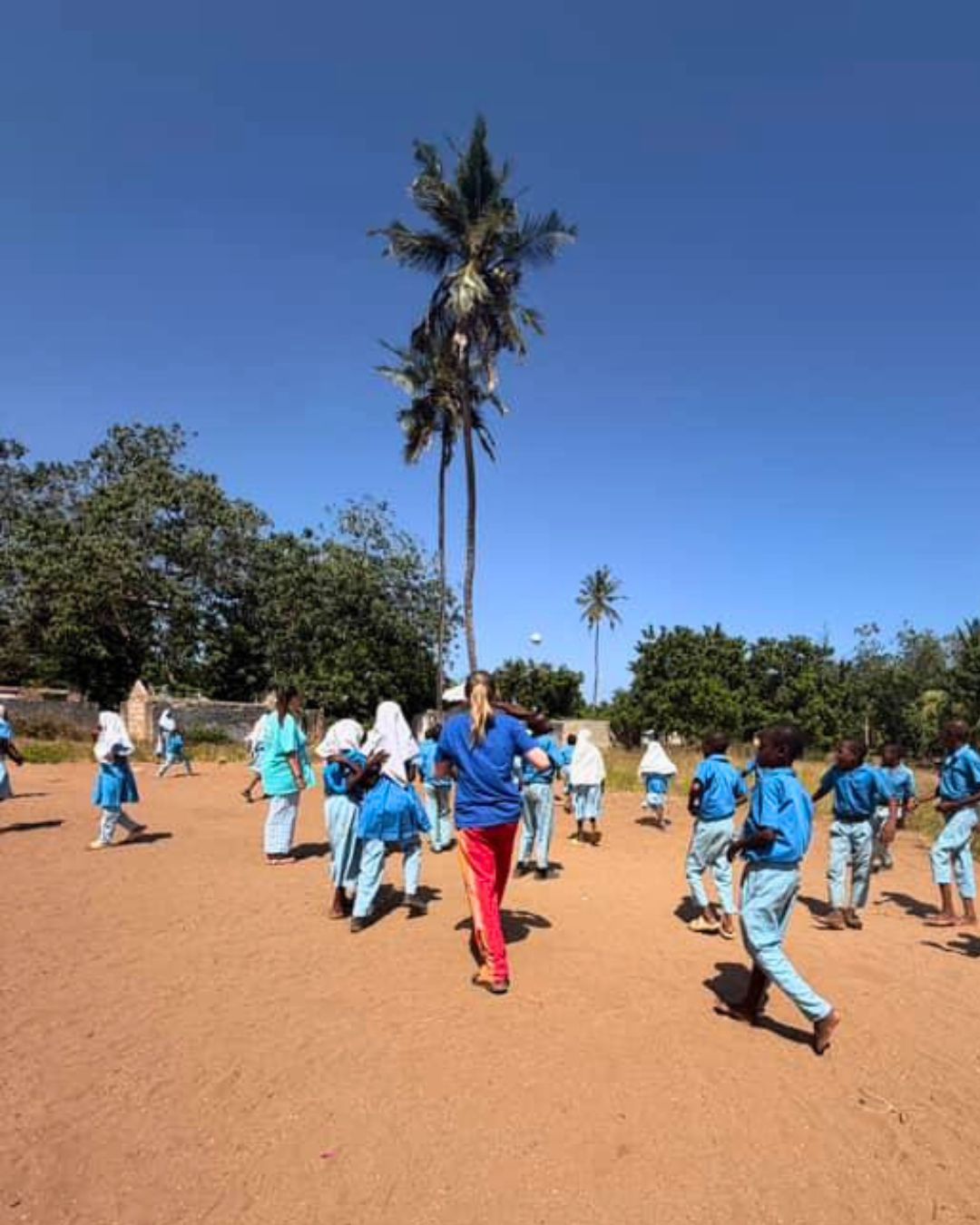
How Parents Can Help Make a Gap Year Safe
Parents play an important role in creating a positive experience.
Helpful steps include:
- Discussing goals together
- Choosing structured programmes
- Encouraging preparation
- Maintaining open communication
- Supporting reflection during the year
A successful gap year balances independence with continued support.
Final Thoughts: Is a Gap Year Safe?
A gap year is not about stepping away from progress.
When thoughtfully planned and supported, it can be a safe, structured opportunity for young people to develop confidence, independence, and real-world skills before university or future careers.
The safest gap years are those built on preparation, supervision, and purpose.
We also cover practical safety guidance in our FAQ section. You can also read what parents say about their child’s experience.
Continue Exploring Our Parent’s Guide to Gap Years
Understanding how a structured gap year keeps young people safe is just one part of the decision. Parents often have questions about the benefits of taking a gap year, how much it costs and how to choose the right programme.