
When a young person starts talking about taking a gap year, most parents have the same first reaction:
“Is this actually safe?”
It’s a completely natural question. A gap year often means stepping into the unknown — new countries, new people, and a level of independence that can feel daunting from the outside.
But the reality is that gap years today look very different from the stereotypes many people imagine.

Why Safety Is the First Concern
For many families, safety sits at the centre of the decision.
Questions we often hear include:
- Will my child be safe travelling abroad?
- What support will they have?
- Will they be looked after if something goes wrong?
- Is this riskier than going straight to university?
These concerns don’t come from doubt — they come from care.
So, Is a Gap Year Safe?
The short answer is: Yes — a gap year can be a safe and positive experience when it is well planned, structured, and supported.
In many cases, it can actually be a safer and more gradual transition into independence than going straight to university.
What Makes the Difference?
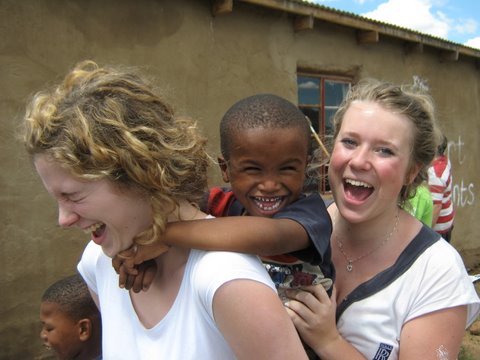
Not all gap years are the same. Safety depends on how the experience is organised.
From our experience working with young people and families over many years, the safest gap years tend to include:
- Clear structure and purpose
- Small group environments
- Experienced in-country support teams
- Pre-departure preparation
These elements help young people build independence step-by-step, rather than being thrown in at the deep end.
Structure vs “Going It Alone”
One of the biggest differences is between: Structured programmes vs Independent travel
While independent travel can be rewarding, it often comes with greater uncertainty — especially for young people travelling for the first time.
Structured programmes provide:
- Local knowledge
- Built-in support
- A peer group
- Clear guidance
This creates a much more supported environment for growth.
What Parents Often Notice Afterwards
Interestingly, many parents tell us that their child’s gap year was not only safe — but transformative.
Young people often return:
- More confident
- More independent
- Better prepared for university
- Clearer about their future
In many cases, the experience gives them the life skills needed to navigate the next stage more safely and successfully.

A Different Way to Think About It
Instead of asking: “Is a gap year safe?”
It can be more helpful to ask: “Is this gap year well planned and properly supported?”
Because that’s what really determines the outcome.
Want a More Detailed Parent Guide?
If you’re exploring this question in more depth, we’ve put together a full guide for parents covering safety, structure, and what to look for when choosing a gap year.
Read: Is a gap year safe? (full parent guide)
If you have questions or would like to talk things through, feel free to get in touch — we’re always happy to speak with parents at any stage of the decision process.